
Äxte, die Zivilisationen erschufen: Wie einfache Werkzeuge Europa prägten
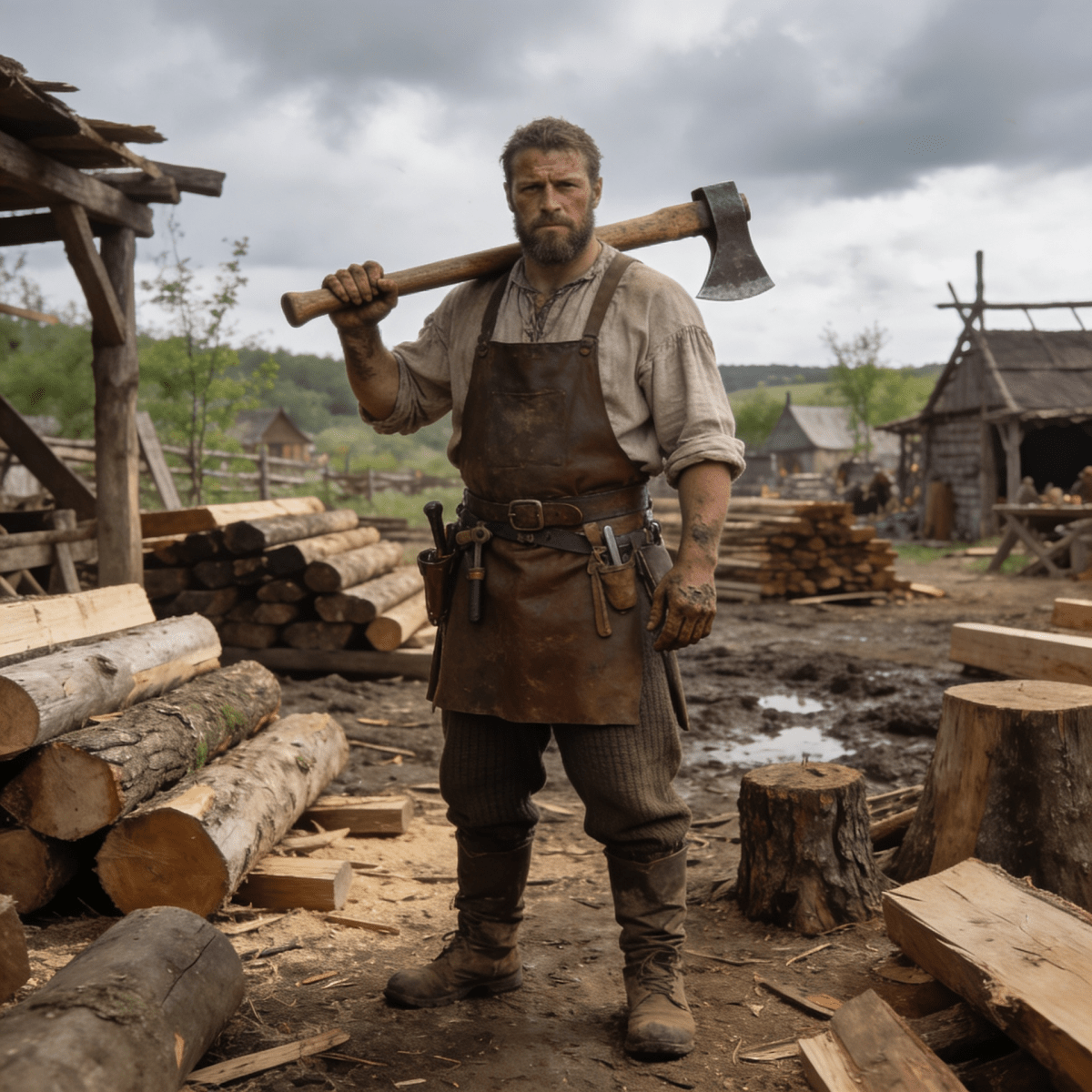
Wenn Menschen an Äxte denken, stellen sie sich oft Krieg, Wikinger oder Überleben vor. Historisch gesehen war die Axt jedoch viel wichtiger als Werkzeug für Bau, Landwirtschaft und Expansion. Lange vor moderner Technik halfen Äxte beim Bau von Straßen, Schiffen, Bauernhöfen, Städten und ganzen Wirtschaften in ganz Europa.
In vielerlei Hinsicht entwickelte sich die europäische Zivilisation nicht nur durch Könige und Armeen – sondern durch Stahlköpfe auf Holzstielen.
Wälder mussten fallen, bevor Städte entstehen konnten
In den meisten frühen europäischen Zeiten bedeckten dichte Wälder große Teile des Kontinents. Bevor Land bewirtschaftet oder Siedlungen erweitert werden konnten, mussten Bäume manuell gerodet werden.
Äxte waren das Hauptwerkzeug für diese Arbeit.

Von der Eisenzeit bis zum Mittelalter nutzten Gemeinschaften Äxte, um:
- Ackerland roden
- Weideland schaffen
- Brennholz ernten
- Wege durch Wälder bauen
- Dörfer zu dauerhaften Städten ausbauen
Großflächige Rodungen im Mittelalter förderten das Bevölkerungswachstum in Regionen wie Frankreich, Deutschland, England und Mitteleuropa.
Ohne Äxte wäre ein großer Teil Europas schwer besiedelbar geblieben.
Holz baute Europas Häuser, Brücken und Befestigungen
Steinburgen sind eindrucksvoll, aber jahrhundertelang wurden die meisten europäischen Gebäude aus Holz gebaut. Häuser, Scheunen, Werkstätten, Zäune, Brücken, Tore, Türme und Verteidigungsmauern basierten alle auf Holz.
Äxte waren in jeder Phase der Holzverarbeitung unverzichtbar:
- Fällen von Bäumen
- Entfernen von Ästen
- Formen von Balken
- Quadratförmiges Zuschneiden von Baumstämmen
- Schneiden von Verbindungen und Bauteilen

Bevor Sägemühlen weit verbreitet waren, wurden viele Balken grob mit Äxten geformt, bevor sie mit Beilen und Meißeln verfeinert wurden.
Sogar große befestigte Städte begannen oft als Holzzäune mit axtgeschnittenen Pfosten.
Die Axt trieb das Wikingerzeitalter an
Die Wikingerexpansion vom 8. bis 11. Jahrhundert wäre ohne Äxte – nicht nur als Waffen, sondern auch als Werkzeuge – unmöglich gewesen.
Skandinavische Schiffbauer verwendeten ständig Äxte beim Bau von Langschiffen. Diese Schiffe erforderten:
- Schneiden von Eichenstämmen
- Formen von Planken
- Zurechtschneiden von Rippen und Rahmen
- Vorbereitung von Masten und Rudern

Die berühmte Mobilität der Wikingerkultur beruhte stark auf Holzarbeit, und Holzarbeit hing von Äxten ab.
In vielen nordischen Haushalten war eine Axt als tägliches Werkzeug wertvoller als als Waffe.
Auch die Landwirtschaft brauchte Äxte
Bevor Metallpflüge überall vorherrschten, erforderte die Erweiterung von Ackerland das Roden von Wurzeln, Gestrüpp, Hecken und Waldrändern. Bauern nutzten Äxte für:
- Zaunbau
- Reparatur von Wagen
- Instandhaltung von Scheunen
- Holz hacken für Kochen und Heizen
- Pflege von Obstgärten und Waldstücken

Jahrhundertelang war die Axt für das bäuerliche Leben ebenso wichtig wie der Pflug.
Handel, Bergbau und Industrie
Als Europa industrialisierte, blieben Äxte wichtig. Holz wurde benötigt für:
- Holzkohlegewinnung für die frühe Eisenherstellung
- Stützpfeiler in unterirdischen Minentunneln
- Werften und Häfen
- Fässer, Wagen und Transportkisten

Sogar frühe Metallindustrien waren auf Wälder angewiesen, und Wälder auf die Arbeit mit der Axt.
Dies schuf eine direkte Verbindung zwischen Äxten und dem Aufstieg europäischer Handelsnetzwerke.
Warum die Axt so effektiv war
Die Axt war erfolgreich, weil sie:
- einfach herzustellen
- leicht zu reparieren
- sehr tragbar
- effizient bei der Umwandlung menschlicher Energie in Schneidkraft
- an viele Aufgaben anpassbar
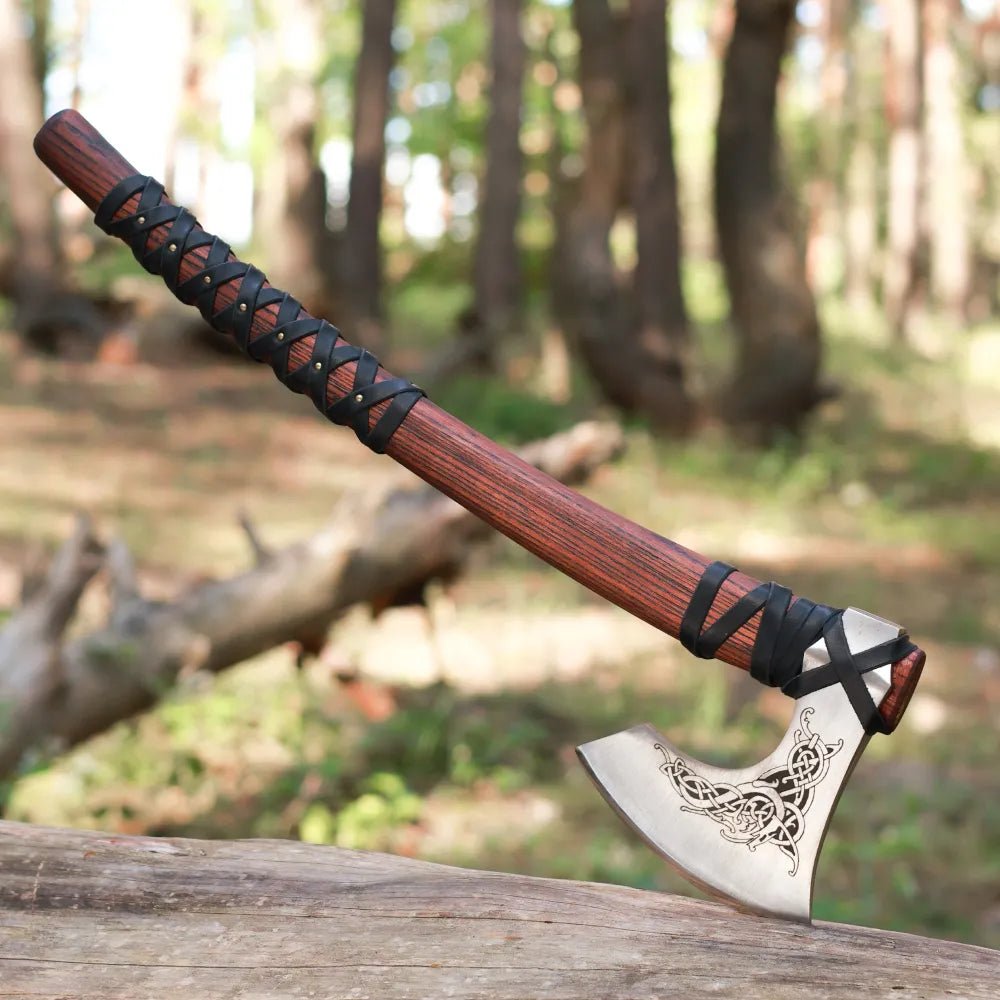
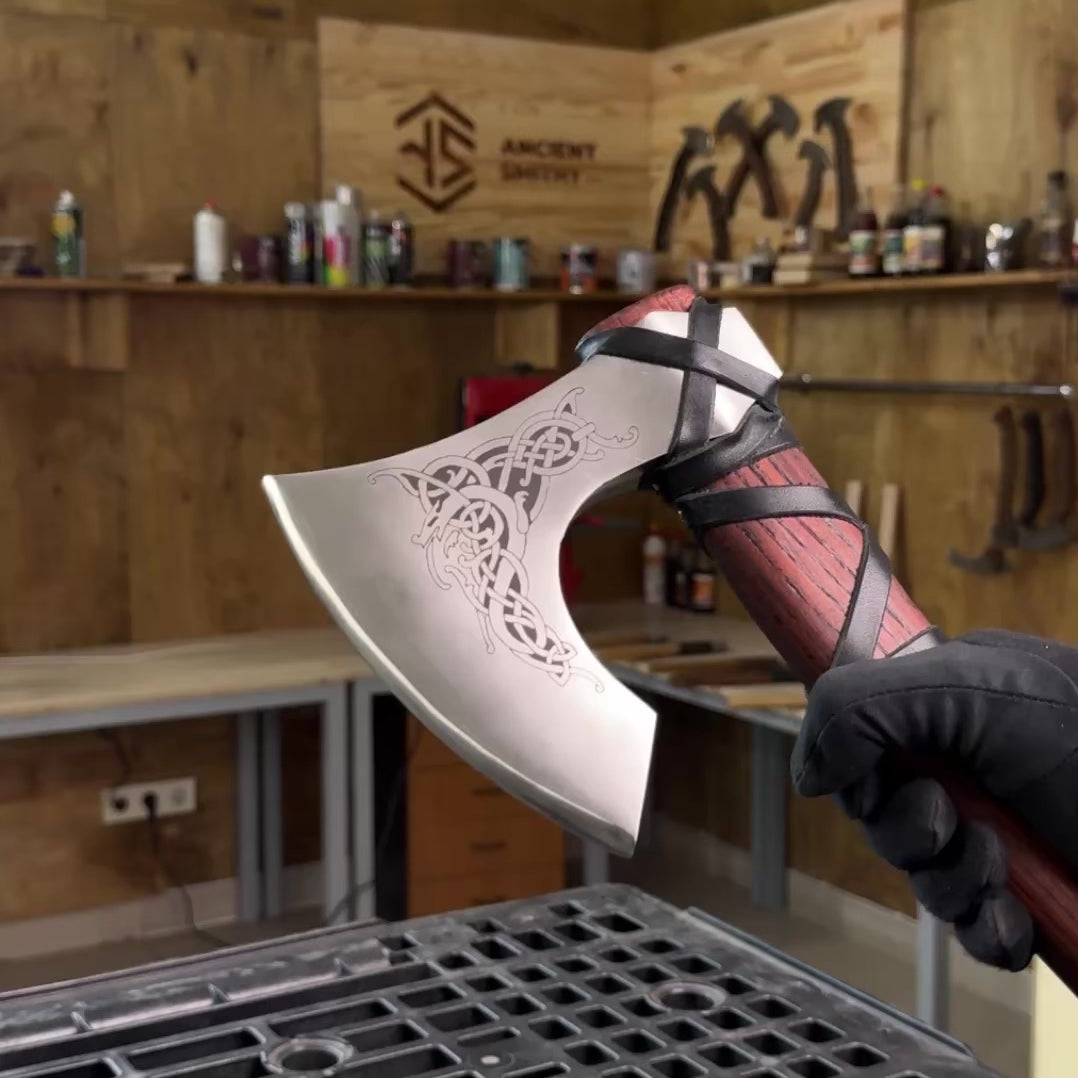
Verschiedene Regionen entwickelten spezialisierte Formen: Breitäxte für Balken, Forstäxte zum Fällen, Beile für Reisen und Bartäxte für Kontrolle und Holzarbeit.
Sie war eines der vielseitigsten Werkzeuge der Menschheitsgeschichte.
Mehr Werkzeug als Waffe
Ja, Äxte wurden im Kampf eingesetzt. Aber für die meisten Besitzer in den meisten Zeiten verbrachte eine Axt viel mehr Zeit damit, Holz zu schneiden, als Feinde zu bekämpfen.
Ihr wahres Vermächtnis ist nicht Zerstörung – sondern Schöpfung.

Äxte erschlossen Land, errichteten Häuser, setzten Schiffe in Fahrt, befeuerten Öfen und verbanden Gemeinschaften. Sie halfen dabei, Europa von bewaldeten Landschaften in organisierte Siedlungen und wachsende Wirtschaften zu verwandeln.
Moderne Äxte tragen immer noch die DNA dieser früheren Werkzeuge. Balance, Grifflänge, Schneidkanten-Geometrie und Stahlhärte entwickelten sich alle aus praktischen Bedürfnissen, die sich über Jahrhunderte hinweg herausgebildet haben.
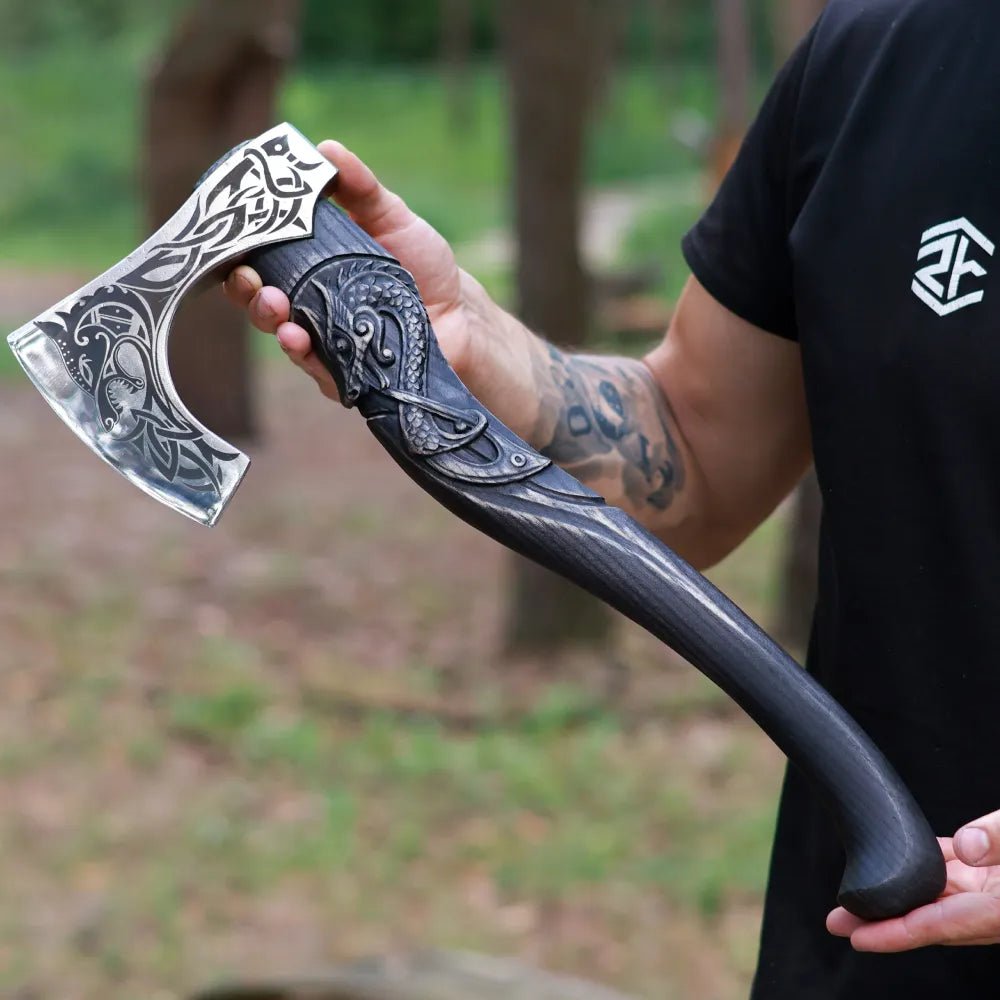
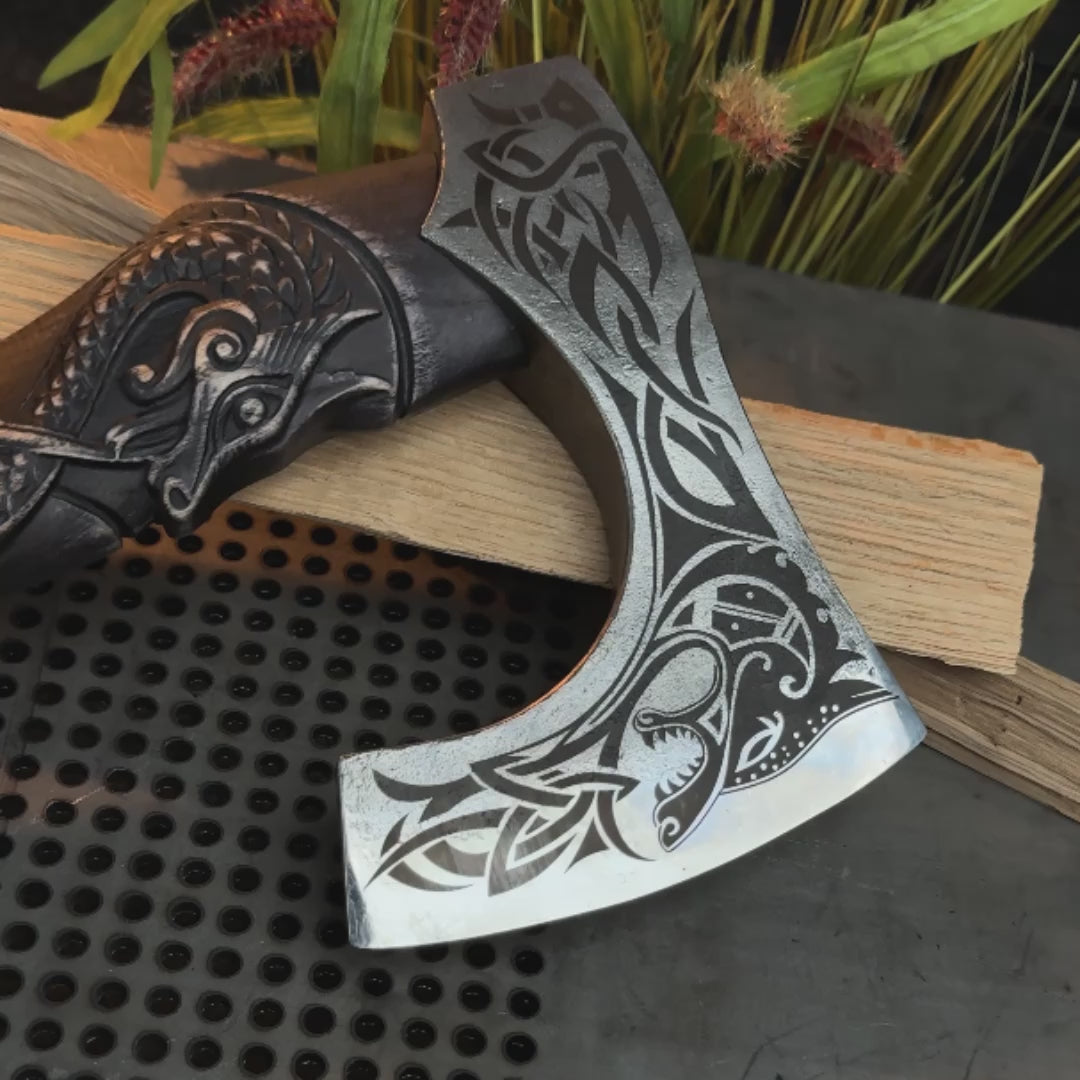
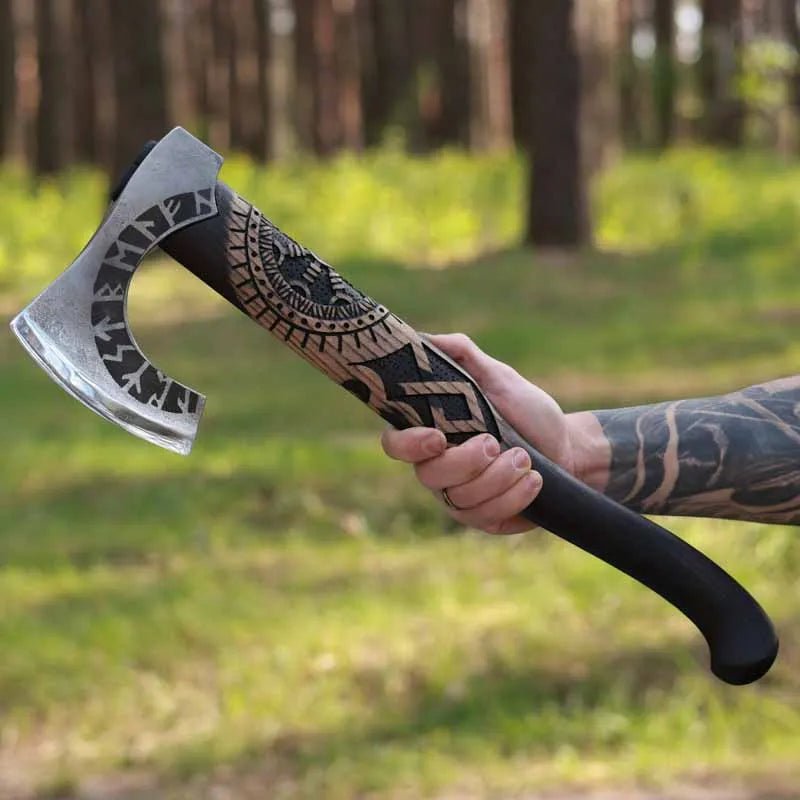
Wenn Sie heute eine gut gemachte Axt in der Hand halten, halten Sie eine der ältesten und effektivsten Technologien der Zivilisation.