
More Than Steel: The Meaning Behind the Hammer
When most people think of powerful tools, they often imagine weapons or instruments of force. But among all tools shaped by human hands, the hammer stands apart. It is not a symbol of destruction – it is a symbol of creation.
Long before modern machines existed, civilizations were built with hammers. Cities rose, ships were assembled, tools were forged, and homes were constructed through the simple rhythm of steel meeting steel. The hammer has always represented the act of shaping the world rather than breaking it.
The First Tool of Builders
Across cultures and centuries, the hammer has been one of humanity’s most fundamental tools. From blacksmiths shaping iron at the forge to carpenters building homes, the hammer has been present at nearly every stage of human progress.

It is a tool that transforms raw material into something meaningful. A piece of metal becomes a blade. A plank becomes a structure. A rough idea becomes a real object. Each strike represents intention – not chaos.
This is why the hammer has long been associated with makers, builders, and craftsmen.
Strength Used for Creation
Unlike weapons, which exist primarily for conflict, the hammer’s strength serves a different purpose. It is a controlled force – a tool that channels energy into shaping, forming, and improving materials.

In the hands of a skilled craftsman, the hammer does not destroy. It refines. Each strike moves the material closer to its final form. Steel bends, edges appear, structure emerges. The hammer becomes an extension of the maker’s vision.
The result is not damage, but transformation.
A Symbol of Craftsmanship and Legacy
Over time, the hammer has become more than just a tool. It represents dedication, patience, and mastery. A good hammer carries weight not only in steel but in meaning – the idea that real work requires skill and persistence.

For many people, giving or receiving a hammer as a gift carries this symbolism. It represents reliability, strength, and the ability to build something lasting. It speaks to the spirit of those who create rather than consume.
This is why a finely crafted hammer can feel far more personal than many conventional gifts.
The Modern Hammer as a Statement Piece
Today, the hammer continues to evolve. While it remains a functional tool, it has also become a symbol of craftsmanship and character. A well-forged hammer placed in a workshop, office, or home reflects an appreciation for real work, tradition, and authenticity.
It reminds us that the most meaningful objects are often the simplest – tools that have shaped human history for thousands of years.

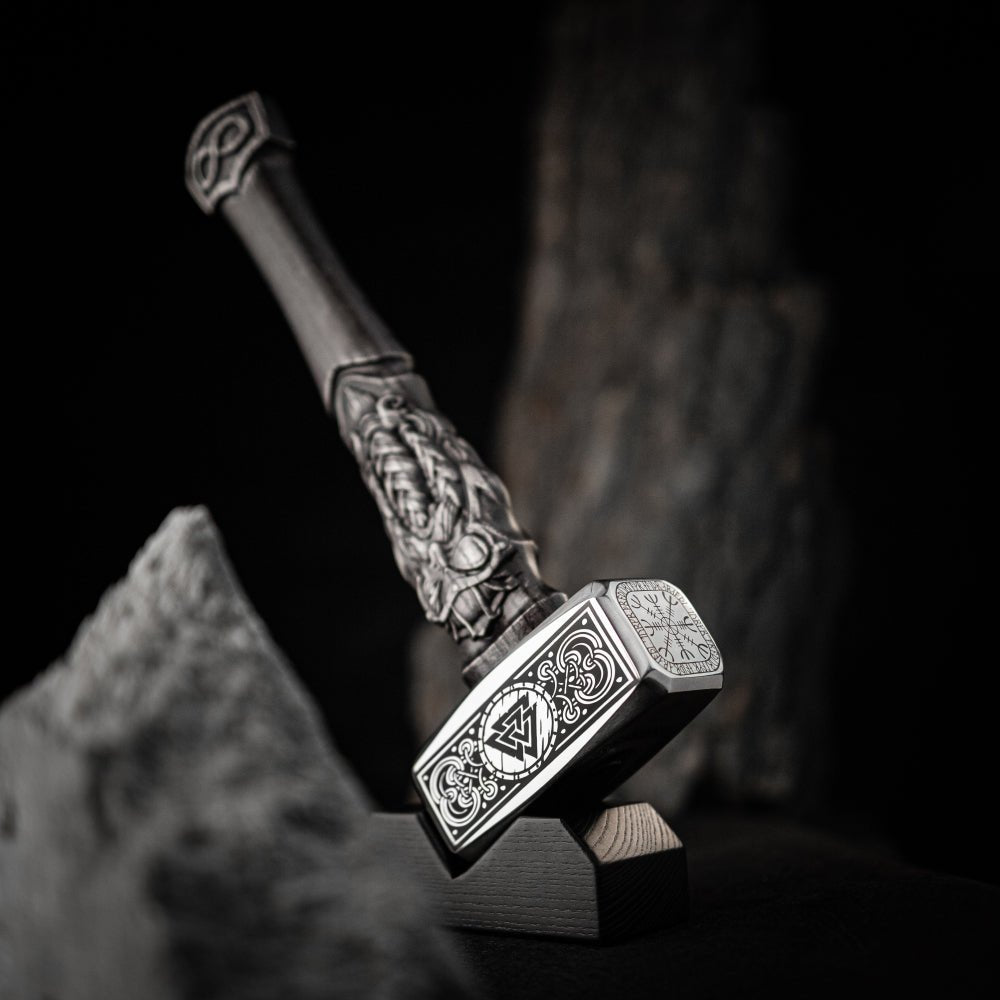
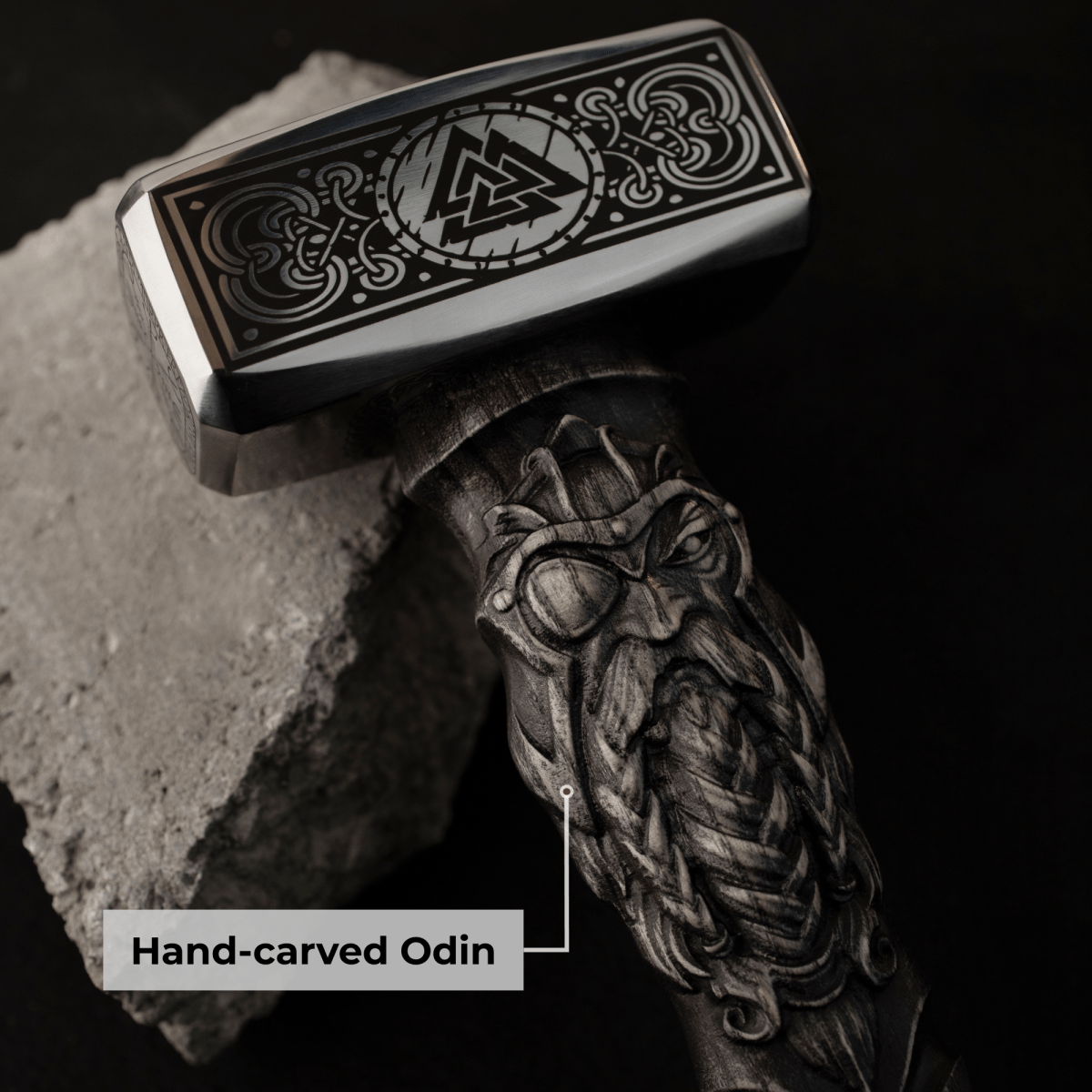
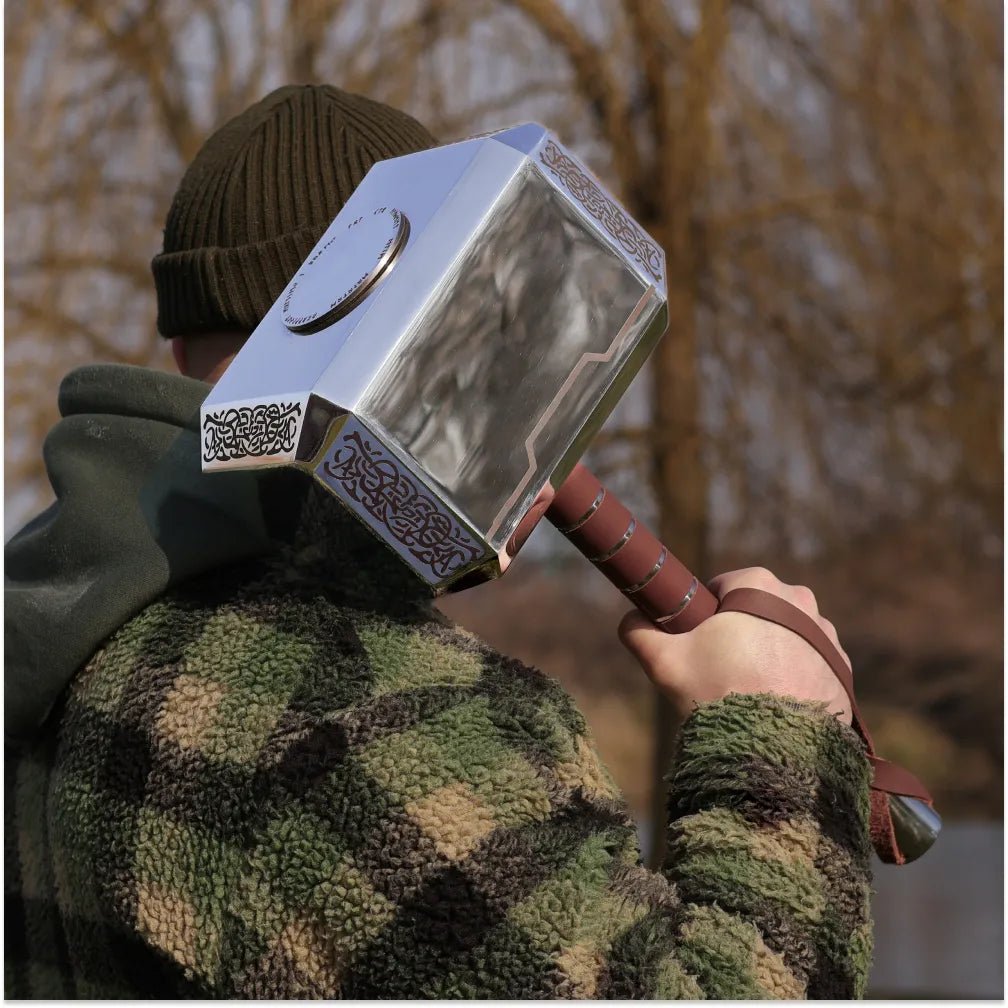
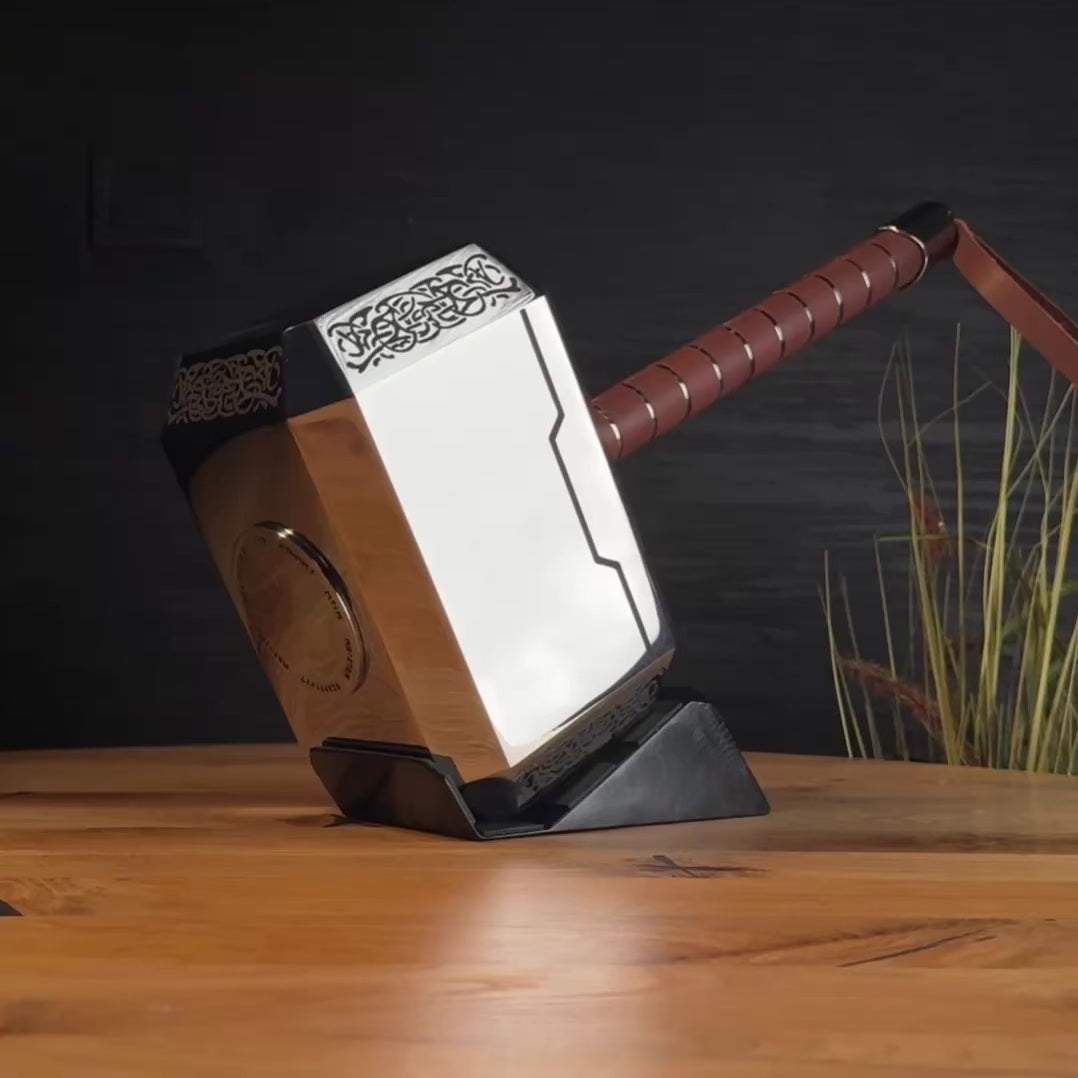
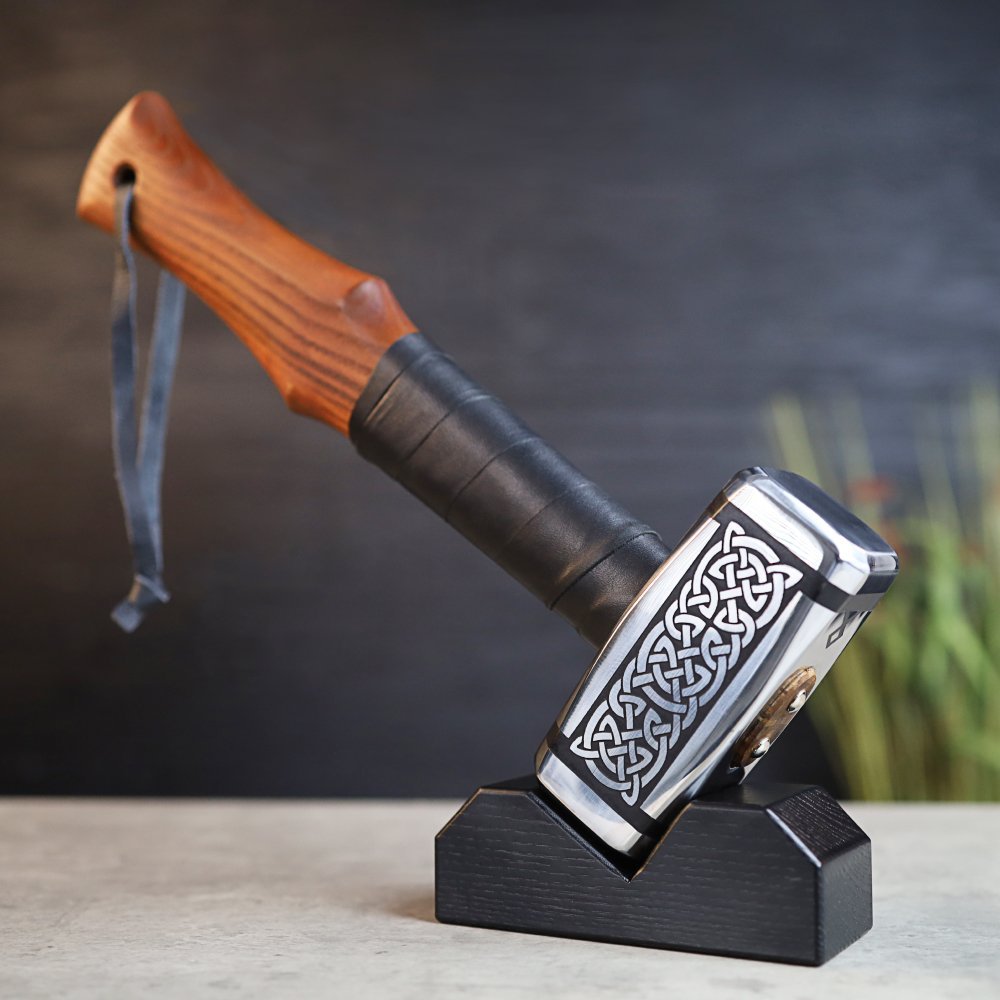
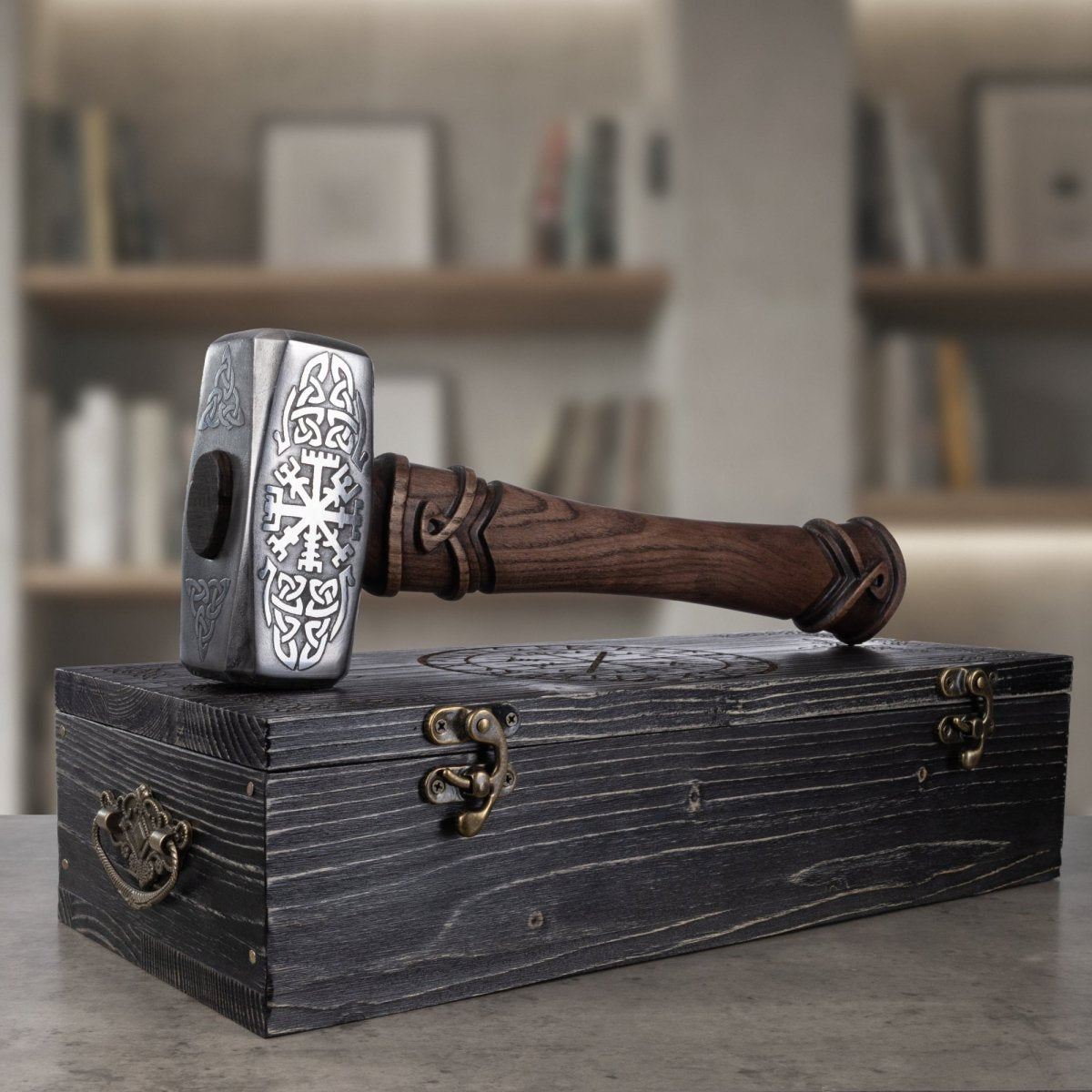
Recently, we introduced two classic premium hammers designed not around mythology, but around timeless craftsmanship. These pieces are made for a broader audience – people who appreciate the symbolism of creation, whether they are craftsmen, collectors, or simply those who value meaningful objects.
A Tool That Builds the Future
The hammer’s story is ultimately a human story. It reflects the desire to build, improve, and shape the world around us. Every civilization has relied on it. Every craftsman understands its rhythm.
In a world increasingly dominated by digital tools and automated processes, the hammer remains a reminder of something fundamental: creation begins with human hands.
And sometimes, the simplest tool carries the deepest meaning.