

Warum Schmiedekunst im 21. Jahrhundert immer noch wichtig ist
In einer Welt, die von Automatisierung, Massenproduktion und Wegwerfartikeln geprägt ist, mag Schmiedekunst auf den ersten Blick wie ein Relikt aus vergangenen Zeiten erscheinen – ein Handwerk aus einer anderen Epoche. Doch betritt man eine moderne Schmiede, sieht man etwas anderes: keine sterbende Kunst, sondern eine lebendige Tradition. Eine, die sich weiterentwickelt, inspiriert und ihre Relevanz selbst im digitalen Zeitalter beweist.
Schmiedekunst besteht fort, weil sie etwas bietet, das moderne Technologie nicht nachahmen kann: Authentizität, menschliche Verbindung und die Verwandlung von Rohmaterialien durch Können und Absicht. Sie verbindet alte Tradition mit moderner Kreativität und stellt sicher, dass das Handwerk heute genauso bedeutungsvoll ist wie vor tausend Jahren.
Handwerkskunst in einer Welt der Massenproduktion
Heutige Verbraucher sind von maschinell hergestellten Objekten umgeben – schnell, billig und vergänglich. Schmiedekunst steht im starken Gegensatz dazu: Jedes Stück ist das Ergebnis bewusster Bewegungen, intuitiven Urteilsvermögens und menschlicher Berührung. Kein handgeschmiedetes Werkzeug gleicht dem anderen, und diese Einzigartigkeit hat einen emotionalen Wert.

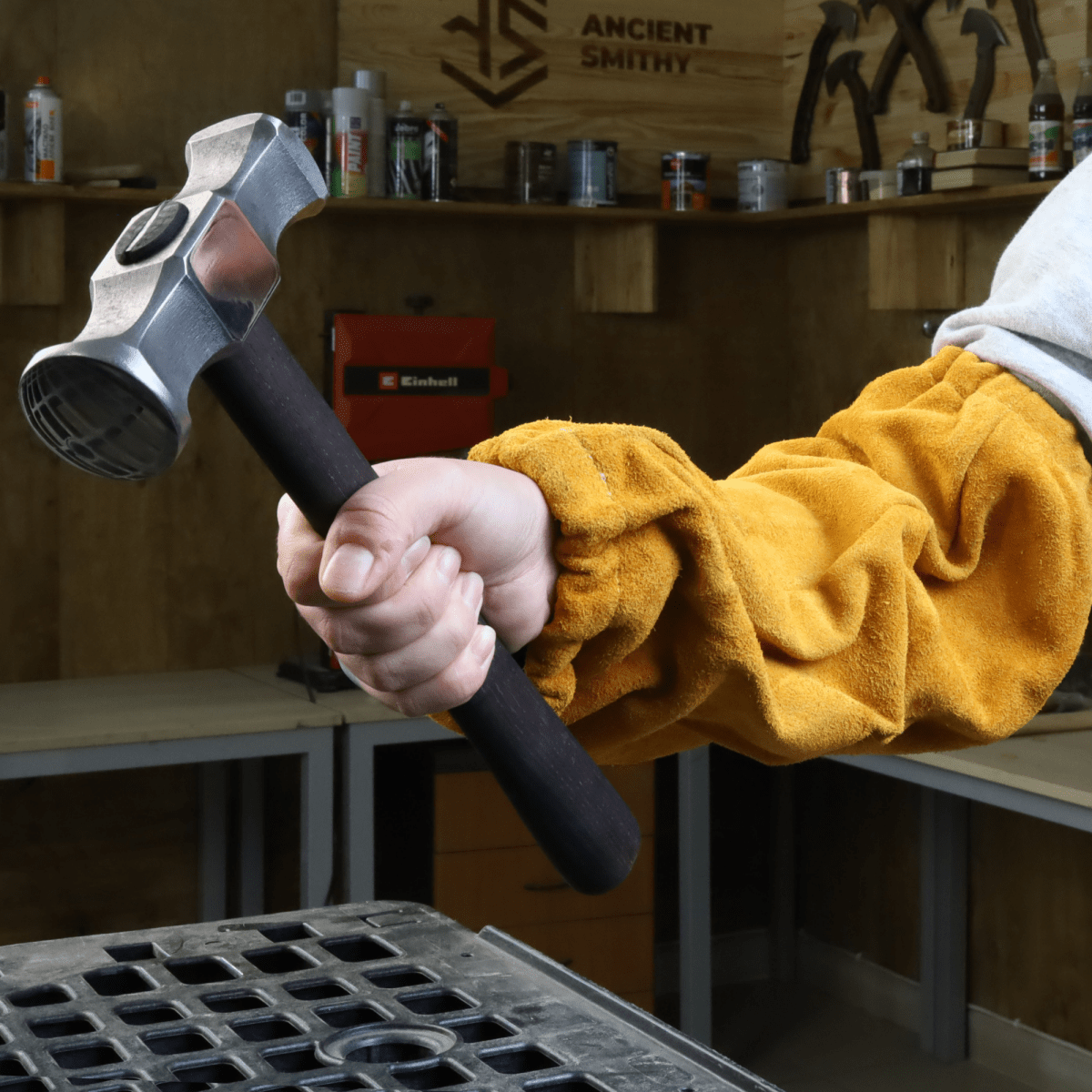
Handgefertigte Äxte, Hämmer und Beschläge, die von modernen Schmieden geschaffen werden, stehen für einen Wandel hin zu nachhaltigen, langlebigen Produkten. Die Menschen fühlen sich zunehmend zu Gegenständen hingezogen, die Charakter, Gewicht und Zweck besitzen – Stücke, die lebendig wirken, weil sie den Geist ihres Schöpfers tragen.
Die Schmiede als Raum für Innovation
Schmiedekunst ist nicht in der Vergangenheit verankert. Die heutigen Schmiede verwenden eine Mischung aus alten Methoden und moderner Metallurgie, um Werkzeuge herzustellen, die ihre historischen Vorbilder übertreffen. Neue Stähle, Wärmebehandlungsverfahren und Verbundmaterialien haben die Möglichkeiten am Amboss erweitert.

Ob es darum geht, einen taktischen Tomahawk, einen Präzisionshammer oder museale historische Reproduktionen zu schmieden – moderne Schmiede sind teils Handwerker, teils Ingenieure. Die Schmiede bleibt ein Labor, in dem Kreativität und Problemlösung durch Feuer und Stahl Gestalt annehmen.
Sogar Branchen wie Architektur, Überlebensausrüstung, Film und Gaming verlassen sich weiterhin auf die Kunstfertigkeit von Schmieden für authentische Requisiten, spezialisierte Werkzeuge und einzigartige Designs.
Schmieden als Therapie und Achtsamkeit
Der Aufstieg von Schmiedeschulen und Werkstätten spiegelt einen tieferen Trend wider: Die Menschen suchen nach praktischen Tätigkeiten, die den Geist beruhigen. Die Schmiede bietet eine einzigartige Art von Therapie – das rhythmische Hämmern, das Glühen des Stahls, die Konzentration bei jedem Schlag.

Für viele wird das Schmieden zu einer Möglichkeit, sich von Bildschirmen zu lösen und sich mit etwas Echtem zu verbinden. Es ist meditativ, beruhigend und stärkend. Veteranen, Künstler und Menschen, die sich von Stress oder Burnout erholen, wenden sich oft dem Schmieden zu, weil es Selbstvertrauen, Präsenz und Sinn zurückgibt.
In einem Jahrhundert ständiger digitaler Ablenkung bietet das Schmieden Klarheit.
Geschichte bewahren und Zukunft gestalten
Jeder Hammerschlag ehrt Jahrhunderte der Tradition. Schmiede sind sowohl Schöpfer als auch Bewahrer des kulturellen Erbes. Wikingeräxte, keltische Hämmer, mittelalterliche Werkzeuge – all das lebt weiter durch die Hände von Handwerkern, die alte Designs studieren, nachbilden und weiterentwickeln.


Gleichzeitig gehen moderne Schmiede voran. Sie schmieden Werkzeuge für zeitgenössische Berufe, Überlebensausrüstung für Entdecker und künstlerische Stücke, die Altes und Neues verbinden. Das Schmiedehandwerk überlebt, weil es sich anpasst – ohne jemals seine Seele zu verlieren.
Gemeinschaft, Identität und der menschliche Faktor
Das Schmiedehandwerk verbindet Menschen. Ob durch Online-Communities, lokale Schmieden, historische Nachstellungen oder professionelle Werkstätten – Schmiede bilden enge Kreise, die auf gemeinsamer Leidenschaft und Respekt für das Handwerk basieren.

Das Schmieden zu lernen gibt den Menschen ein Gefühl der Identität – eine Verbindung zu Generationen von Machern, Kriegern, Bauherren und Kunsthandwerkern. Es erinnert daran, dass menschliches Können auch im Zeitalter der künstlichen Intelligenz und der fortschrittlichen Fertigung weiterhin wichtig ist.
Der Hammer zählt immer noch.
Die Flamme zählt immer noch.
Das Handwerk zählt immer noch.