

Blacksmithing Then and Now: How the Craft Has Changed Since the 1700s
Blacksmithing is one of the oldest trades in human history – but it has never stood still. From village forges of the 1700s to modern workshops equipped with advanced tools, the craft has evolved in ways both obvious and subtle.
At first glance, the differences seem dramatic. But look closer, and you’ll find that the core of blacksmithing hasn’t changed at all.
The Forge: From Coal and Muscle to Controlled Heat
In the 1700s, blacksmiths worked with coal or charcoal forges, manually controlling airflow with bellows. Temperature control depended entirely on experience – the color of the steel, the sound of the fire, the feel of the heat.

Today, many smiths use gas forges, which offer consistent and adjustable temperatures. This allows for more predictable results and less guesswork, especially for beginners.
Yet even now, experienced blacksmiths still rely on the same ancient skill: reading the steel by eye.
Tools: Simplicity vs. Efficiency
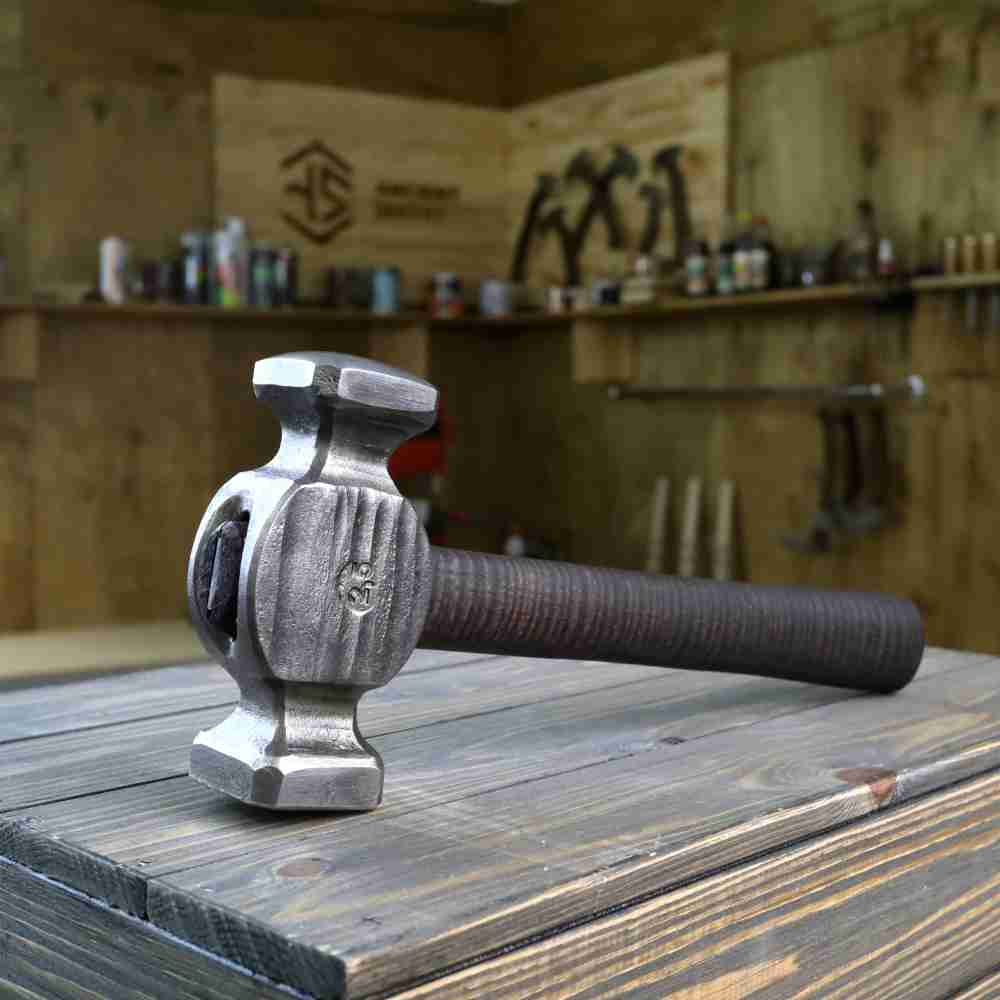
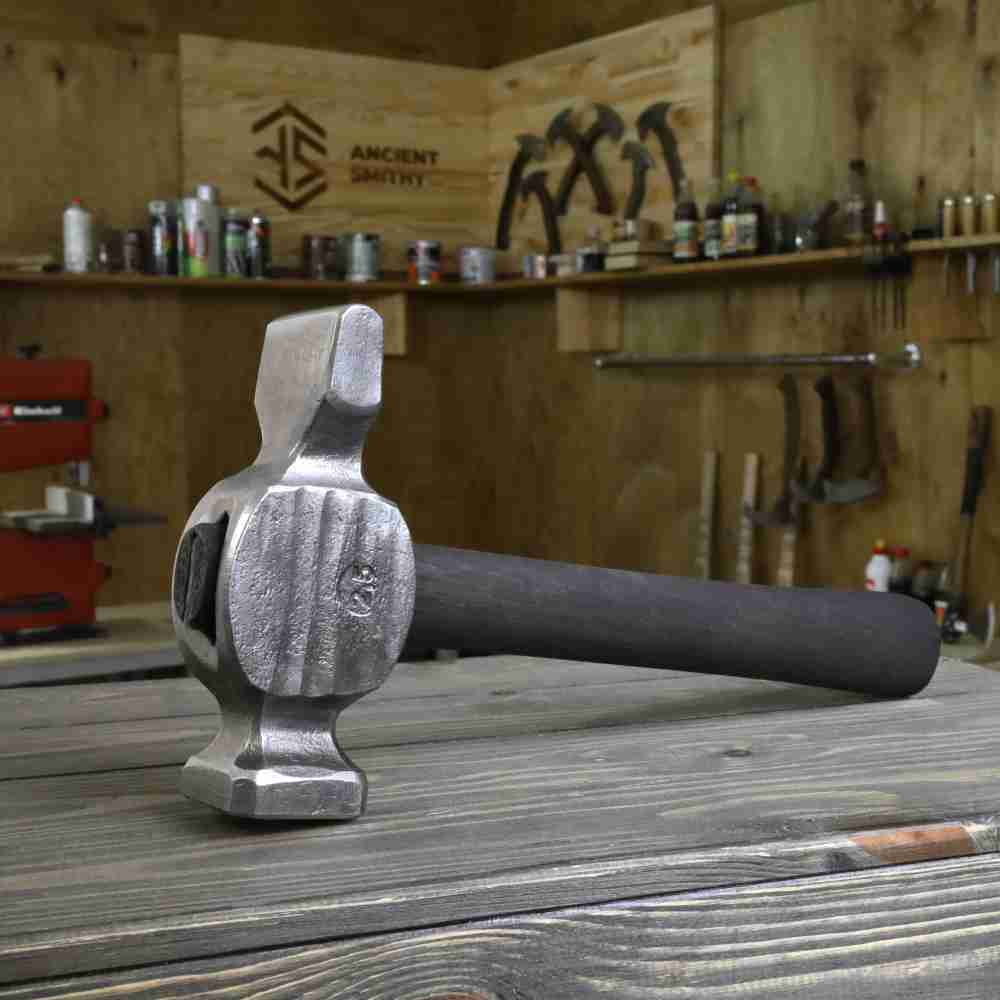
A blacksmith in the 1700s had a relatively simple set of tools: hammer, anvil, tongs, chisels, and files. Everything was done by hand, often with the help of a striker for heavier work.
Modern smiths still use these same core tools – but now they are often supported by power hammers, hydraulic presses, belt grinders, and precision equipment.

These tools don’t replace the craft – they accelerate it. What once took hours of physical effort can now be done in minutes, allowing more time for refinement and detail.
Materials: Inconsistency vs. Precision
In the 1700s, steel quality varied widely. Blacksmiths often worked with wrought iron or early forms of steel that were inconsistent in carbon content. This meant every piece required adaptation and experience.

Today, smiths have access to high-quality, standardized steels with known properties. This allows for better control over hardness, flexibility, and durability.
Modern materials reduce uncertainty – but they also raise expectations for precision.
Purpose: Survival vs. Expression
In the 1700s, blacksmithing was essential. Smiths created tools, nails, horseshoes, weapons, and hardware needed for everyday life. Their work was not optional – it was survival!
The blacksmith was a central figure in every community – a problem solver, builder, and essential tradesman.

Today, blacksmiths are often seen as artisans. Their role has evolved from necessity to mastery. They are no longer just makers of tools, but creators of objects that carry identity, story, and value.
For now blacksmithing has shifted. While still functional, it is also:
- artistic
- collectible
- personal
- symbolic
People now seek forged items not only for use, but for meaning, design, and craftsmanship.
What Hasn’t Changed
Despite all the advancements, the essence of blacksmithing remains exactly the same. Technology may have evolved, tools may have improved, and materials may have become more consistent – but the core of the craft still depends on the same fundamental principles that guided smiths centuries ago.
-
Steel still needs heat.
Without the right temperature, it won’t move. Too cold, and it resists. Too hot, and it loses its structure. Learning to read that balance – often just by color and instinct – is something no machine can fully replace. -
Shape still comes from force.
Whether delivered by hand or assisted by modern equipment, the transformation of metal still happens through impact. Every curve, edge, and line is the result of controlled strikes – not random blows, but deliberate decisions made in real time. -
Skill still comes from repetition.
There is no shortcut to understanding how steel behaves. Every mistake, every correction, every successful piece builds experience. Over time, the smith develops a kind of intuition – a rhythm between hand, hammer, and material.

And most importantly, no machine can replace the moment when a smith decides how to strike, when to stop, and how to refine the final form. It’s in these decisions – subtle, often invisible to the outside eye – that craftsmanship truly lives.
Then vs. Now – Not a Competition
It’s easy to compare past and present as if one is better than the other. But blacksmithing isn’t about replacing the old with the new. It’s about building on it.

Modern smiths stand on centuries of knowledge, combining traditional techniques with modern tools and materials. The result is not a different craft – but a more refined one.
Blacksmithing in the 1700s was about survival. Today, it’s about intention. But in both cases, it’s about the same thing: turning raw metal into something useful, meaningful, and lasting.
And that hasn’t changed in over 300 years.