
Ukraine and the Vikings: Real History Behind the Northern Legends
When people think of Vikings, they often imagine Scandinavia, longships, and icy northern shores. Yet real Viking history reaches far beyond the North. One of the most important regions connected to the Viking world lies much further south and east – on the territory of modern-day Ukraine. This connection is not myth or speculation, but a well-documented chapter of European history.
The Varangians and the Birth of Kyivan Rus
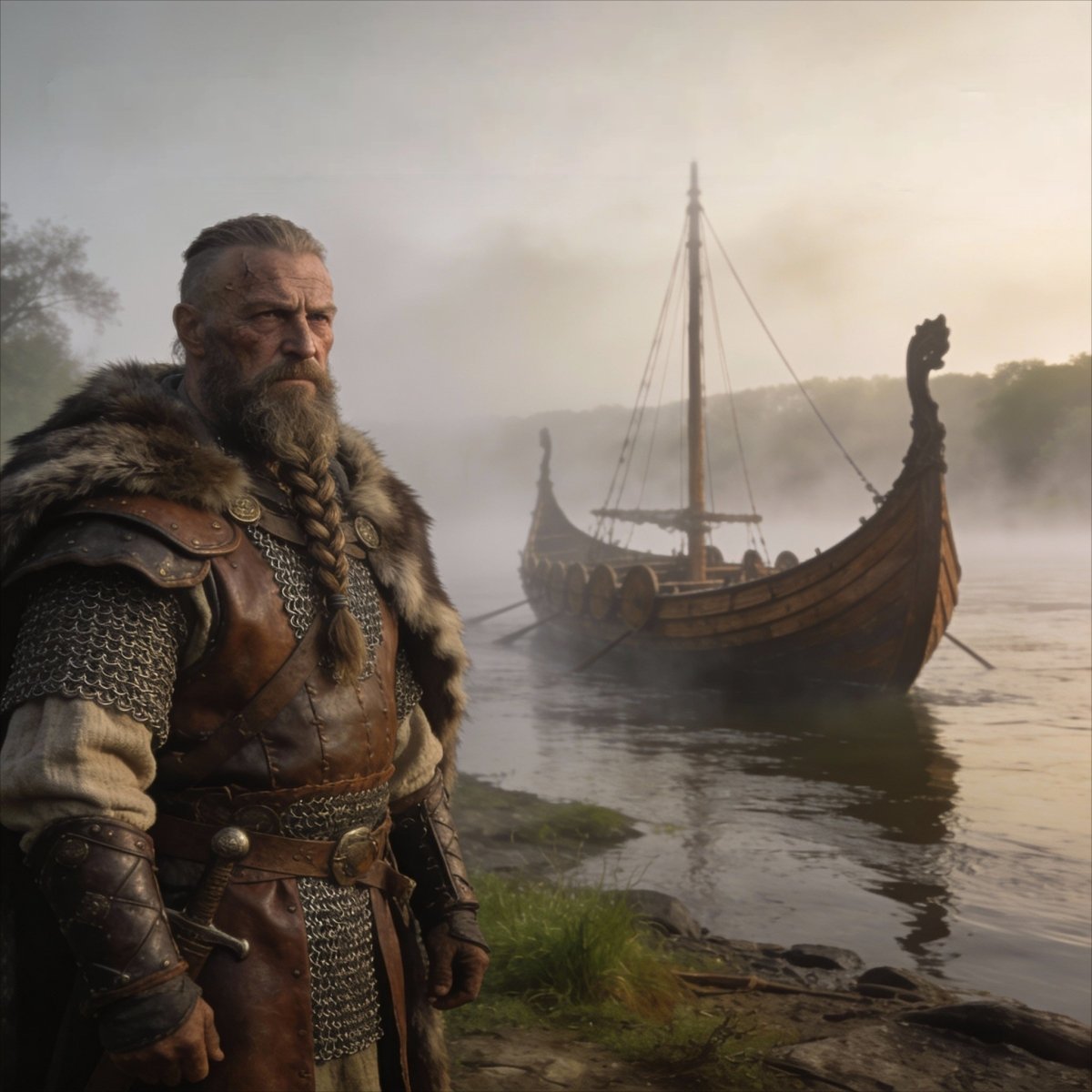
From the 8th to the 11th century, Scandinavian Vikings known as Varangians traveled deep into Eastern Europe. Rather than raiding coastal villages, many of them followed river routes that cut through what is now Ukraine. These rivers became the backbone of trade, diplomacy, and state-building.

According to historical chronicles, including the Primary Chronicle, Varangian leaders played a key role in the formation of Kyivan Rus, a powerful medieval state centered around Kyiv. The most famous among them was Rurik, whose dynasty would rule for centuries. His successors established control over key cities such as Kyiv, Chernihiv, and Novgorod, blending Norse leadership with Slavic culture.
The Viking Trade Routes Through Ukraine
Ukraine’s geography made it crucial to Viking expansion. The Dnieper River served as part of the legendary trade route “from the Varangians to the Greeks,” linking Scandinavia to the Byzantine Empire. Viking merchants and warriors traveled these waterways carrying furs, amber, weapons, silver, and slaves, exchanging them for silk, wine, coins, and luxury goods from Constantinople.

Archaeological finds across Ukraine – including Scandinavian-style weapons, jewelry, runic inscriptions, and burial sites – confirm the long-term presence of Vikings in the region. These were not short raids, but sustained settlements and trade hubs.
Warriors, Not Just Traders
The Varangians were valued not only as merchants, but as elite warriors. Many eventually entered service in Byzantium as members of the Varangian Guard, an imperial unit known for loyalty and combat skill. A significant number of these warriors originated from or passed through the lands of Kyivan Rus, further tying Ukrainian territory to Viking military history.

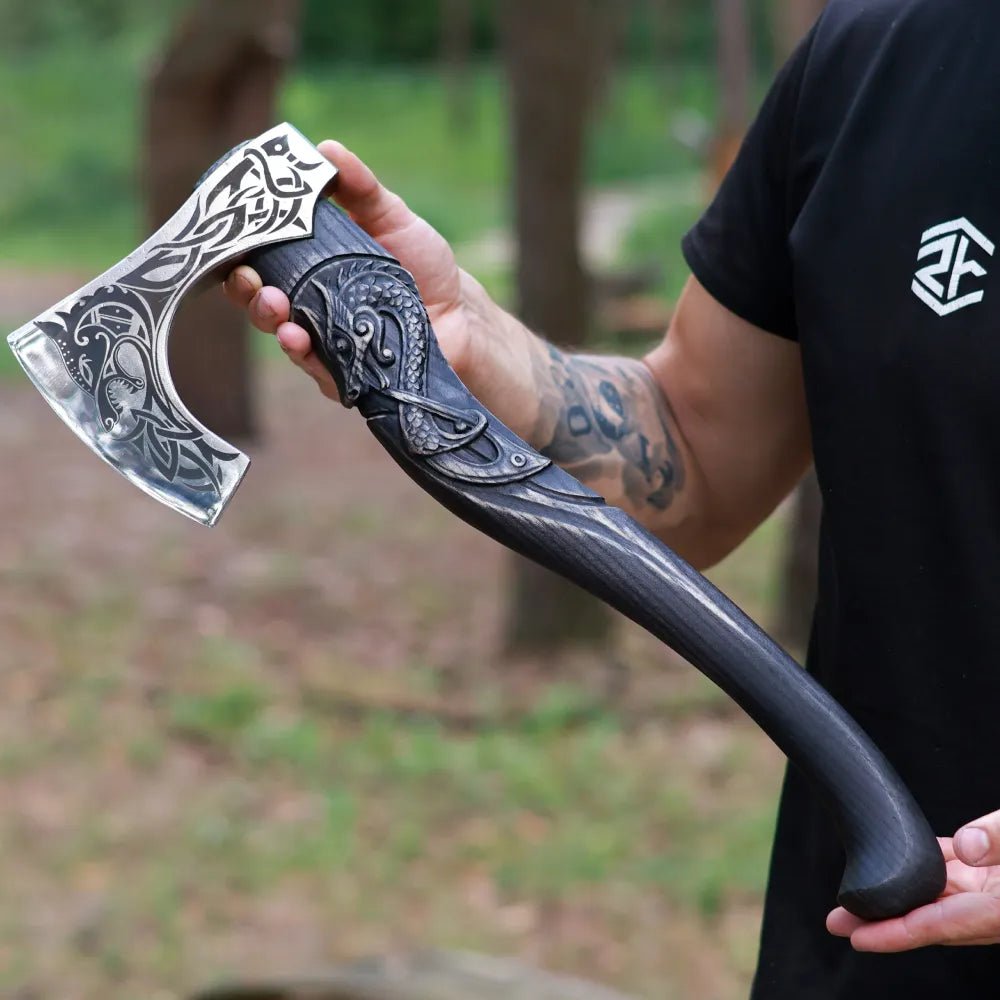
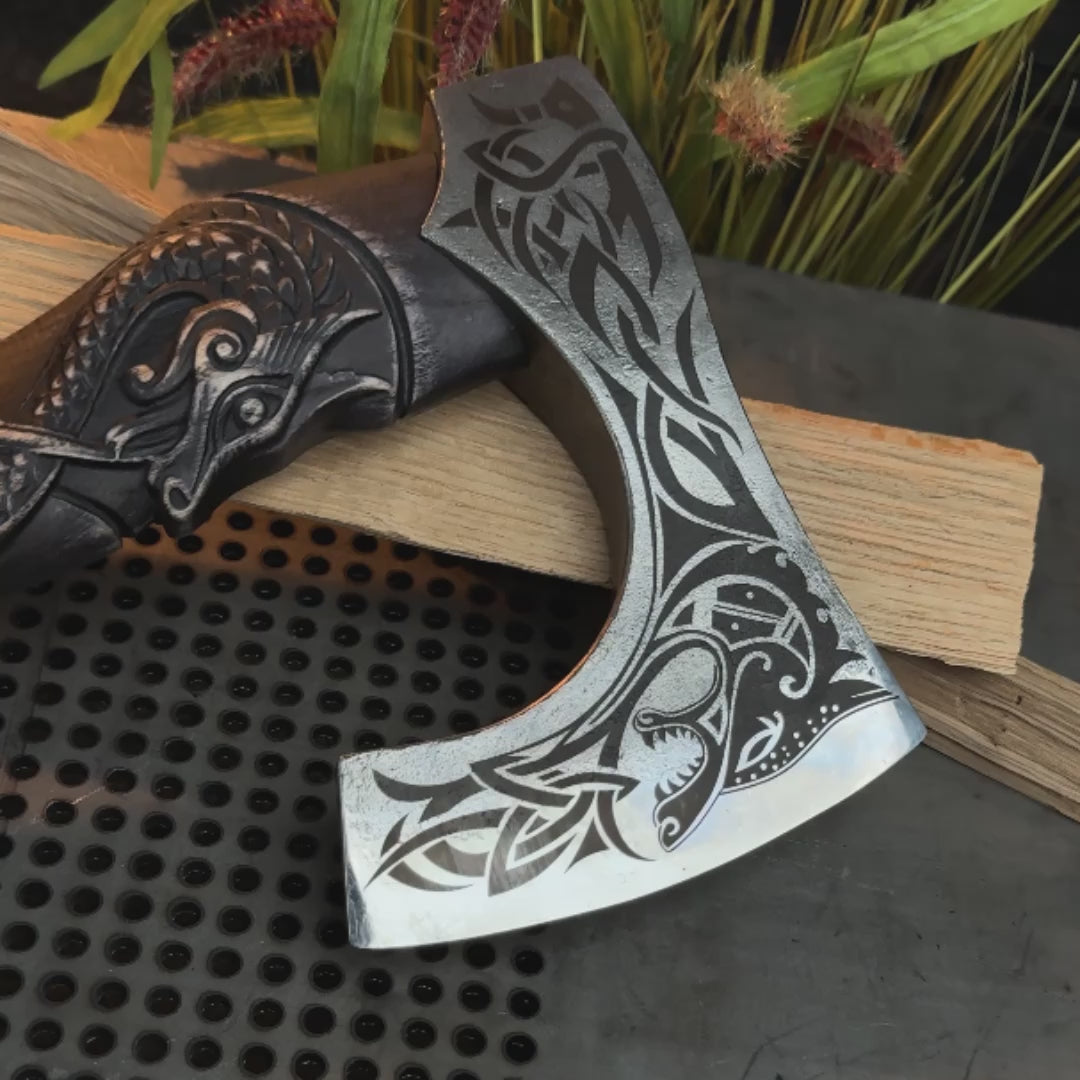
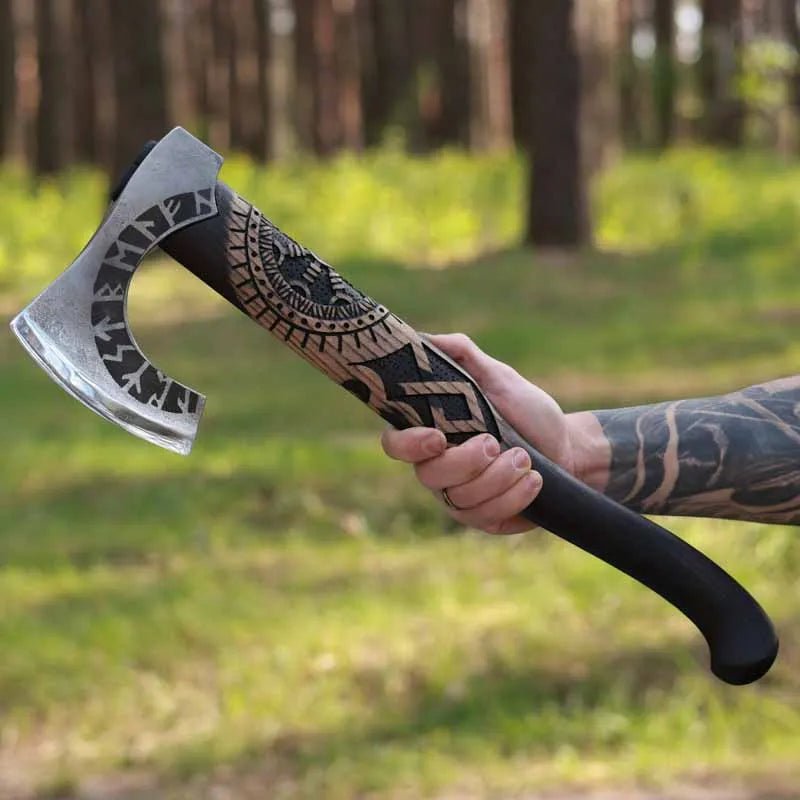
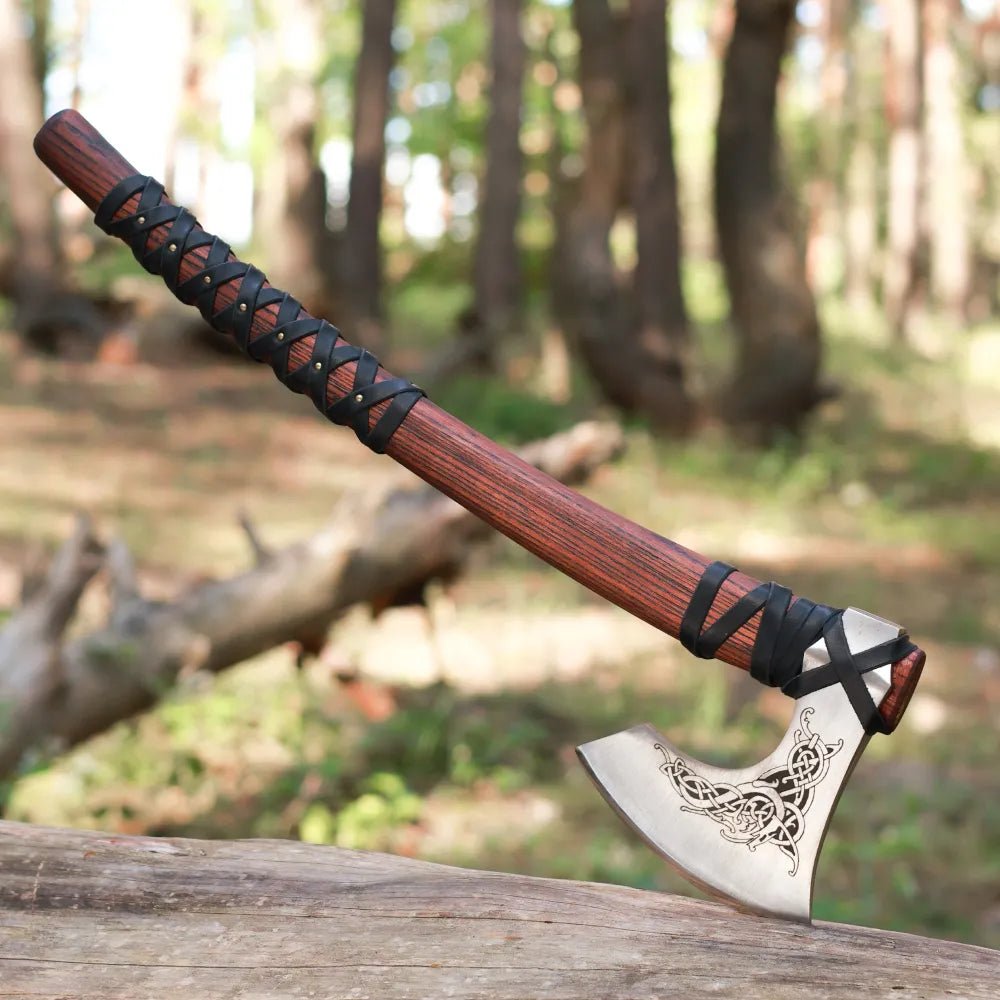
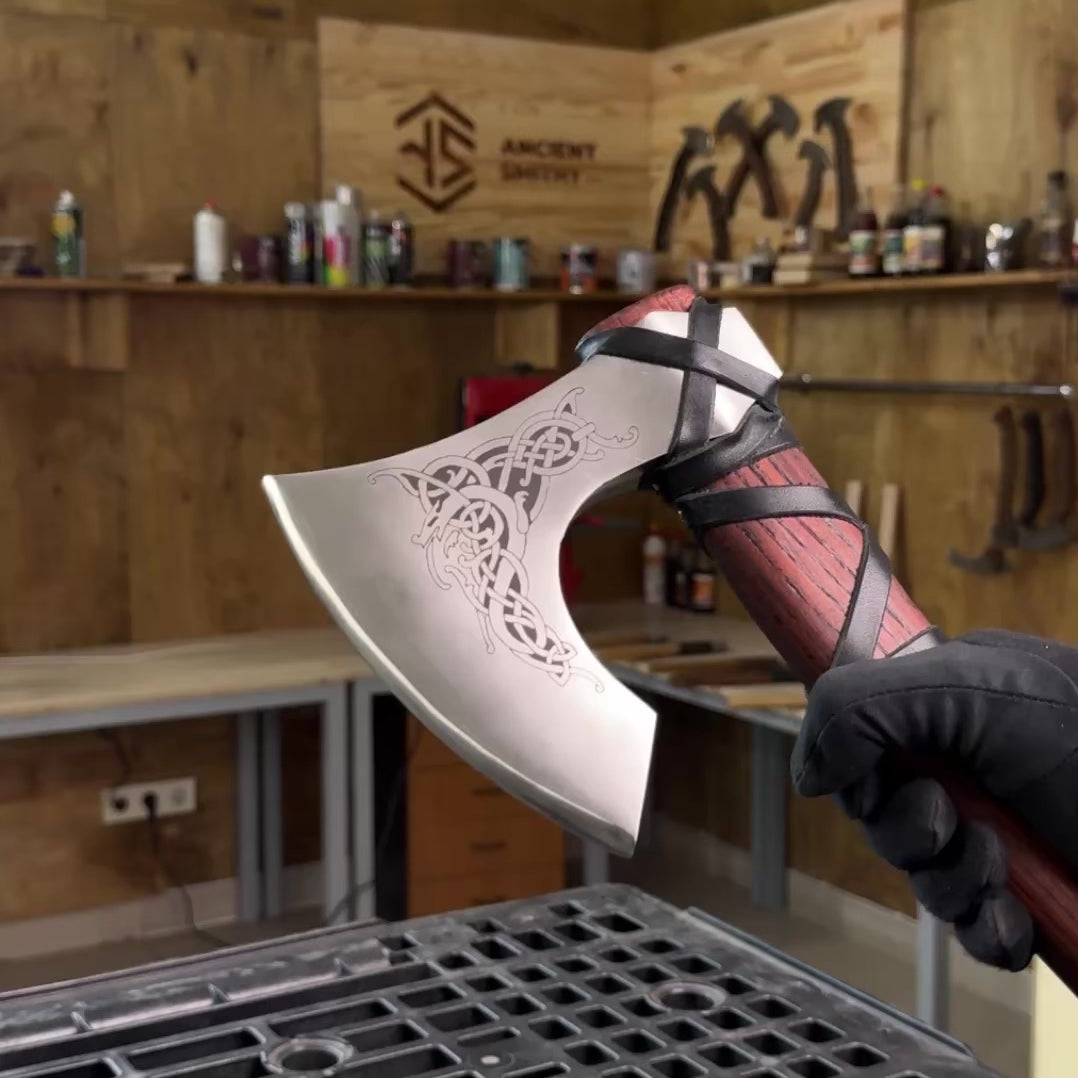
Axes, spears, swords, and shields found in the region closely resemble Norse designs, showing how Viking weapon culture influenced local craftsmanship and warfare.
Cultural Fusion: Norse and Slavic Worlds Collide
What makes this history especially fascinating is the cultural fusion that followed. The Vikings did not simply impose their ways – they adapted. Over generations, Varangians adopted Slavic language, customs, and traditions, while leaving behind Norse influences in governance, warfare, and material culture.

Names, symbols, and craftsmanship from both worlds blended together, creating a unique identity that was neither purely Viking nor purely Slavic. This fusion laid the foundation for Eastern European medieval culture.
Why This History Still Matters Today
Ukraine’s connection to real Viking history is more than a distant historical curiosity – it is part of a shared heritage rooted in trade, craftsmanship, and cultural exchange. For us, working with Scandinavian axes is not a coincidence or a passing aesthetic trend. It is a conscious continuation of a tradition that once flowed through these lands along the great river routes of Kyivan Rus.

By forging Norse-inspired axes today, we honor the meeting point of Viking and Slavic worlds – the same crossroads where steel, skill, and culture once shaped history. We are proud to preserve and develop this legacy through craftsmanship, keeping alive the spirit of those early northern warriors and artisans whose influence remains woven into the story of Ukraine itself.
For modern craftsmen and historians alike, this connection highlights something timeless: Vikings were not just raiders, but builders of trade networks, states, and traditions that shaped Europe.