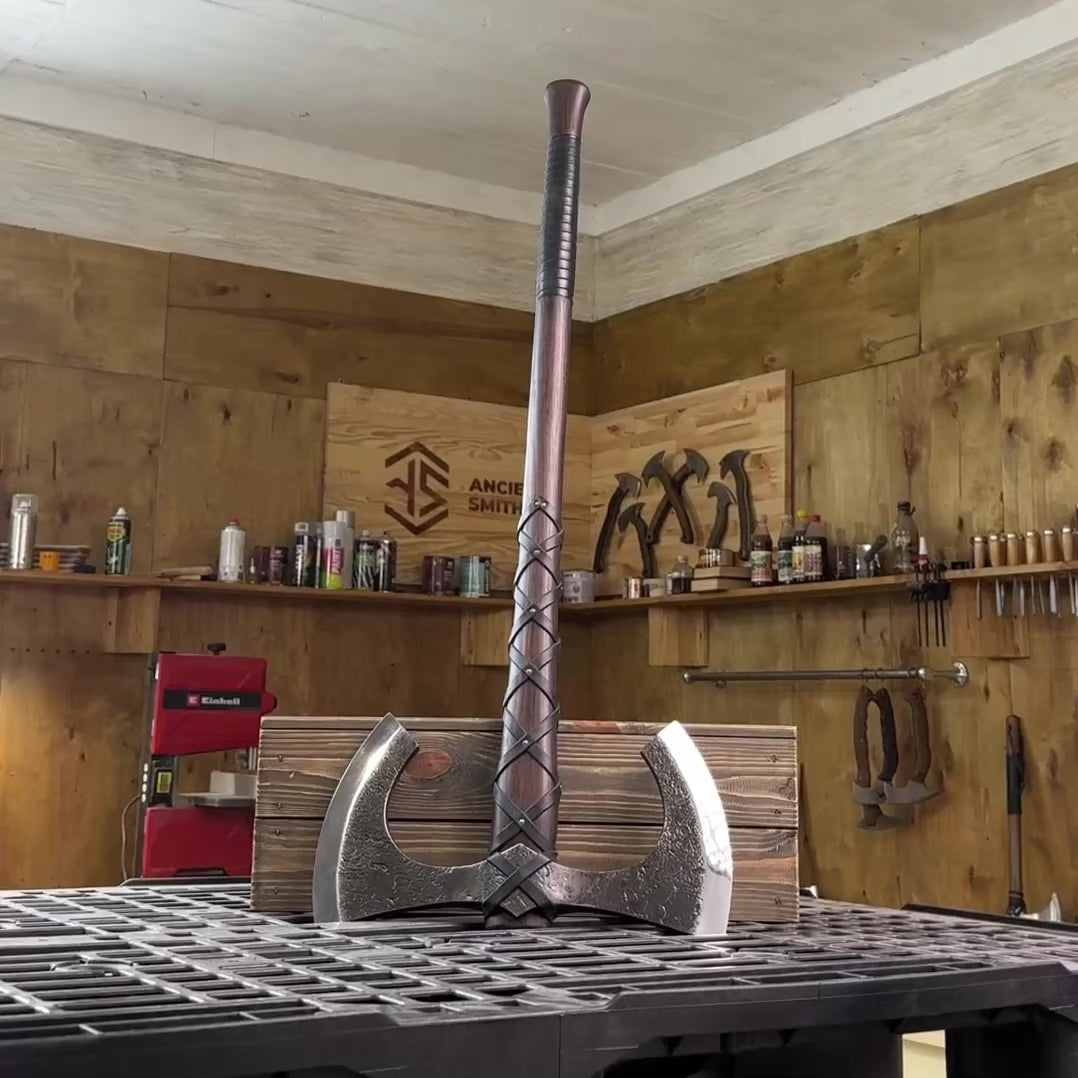


The Anatomy of a Perfect Axe
An axe may look simple at first glance – a head attached to a handle – but every detail matters. Balance, power, control, durability, and comfort all depend on how each component is designed and how well they work together. A “perfect” axe is not defined by size alone, but by harmony between steel and wood, weight and leverage, edge and grip.
Let’s break down the essential parts that shape a truly great axe.
1. The Axe Head
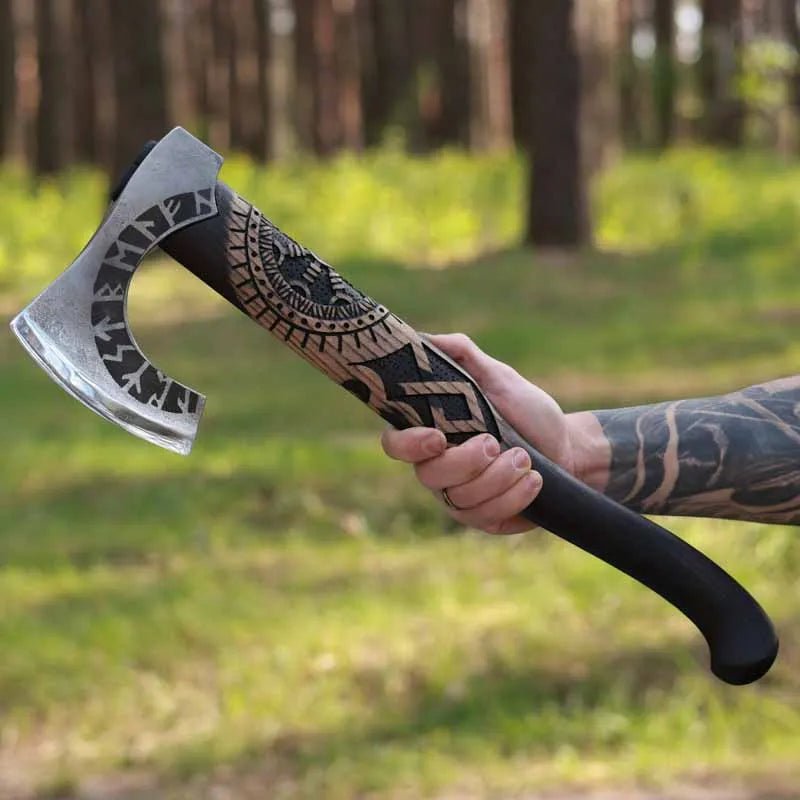
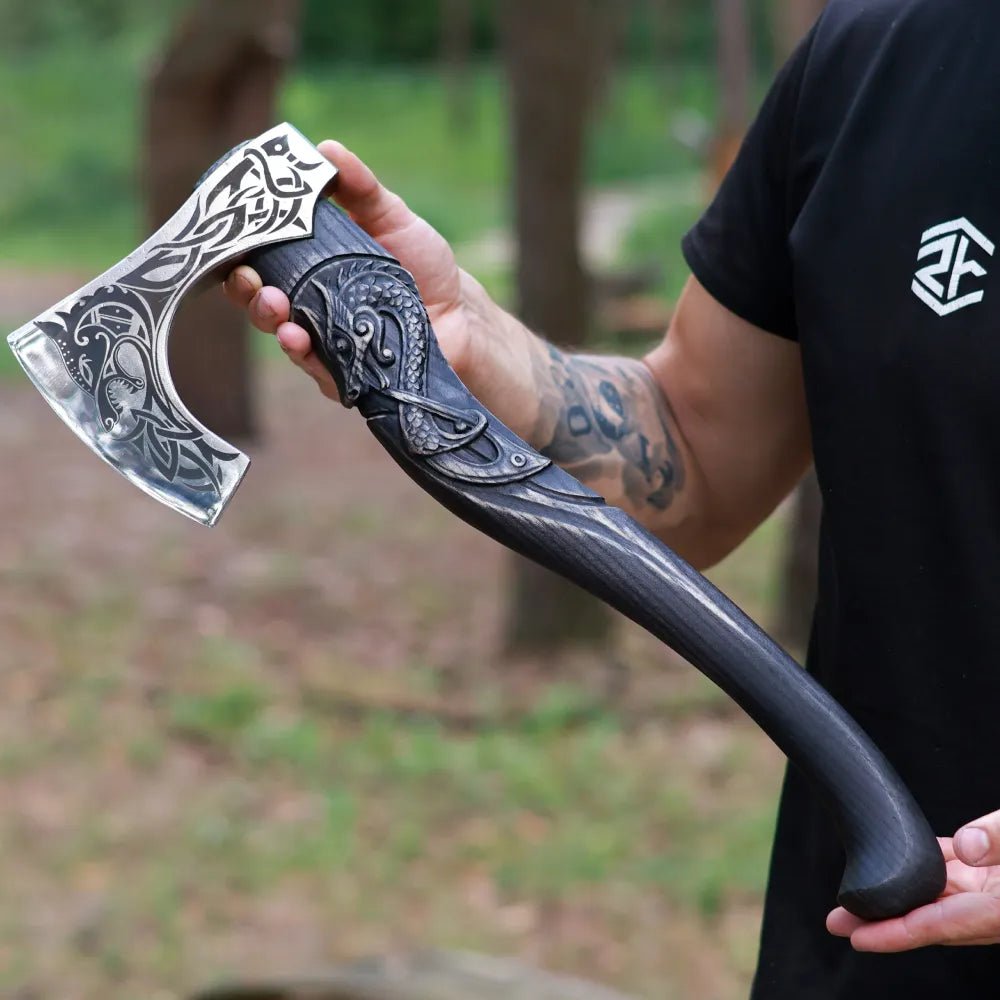
The head is the heart of the tool. It determines cutting power, durability, and overall performance. A well-forged head should feel solid, not overly heavy, and properly aligned with the handle.
Key parts of the head include:
1. Bit (Cutting edge) – the sharpened edge that performs the cut. Its thickness, angle, and curvature influence whether the axe is better suited for chopping, splitting, or carving.
2. Cheeks – the sides of the head that guide the blade through wood. Thicker cheeks help split wood apart, while thinner ones allow deeper cuts.
3. Poll (Butt end) – the rear part of the axe head. On some models, it functions as a hammer surface. On others, it is shaped for balance.
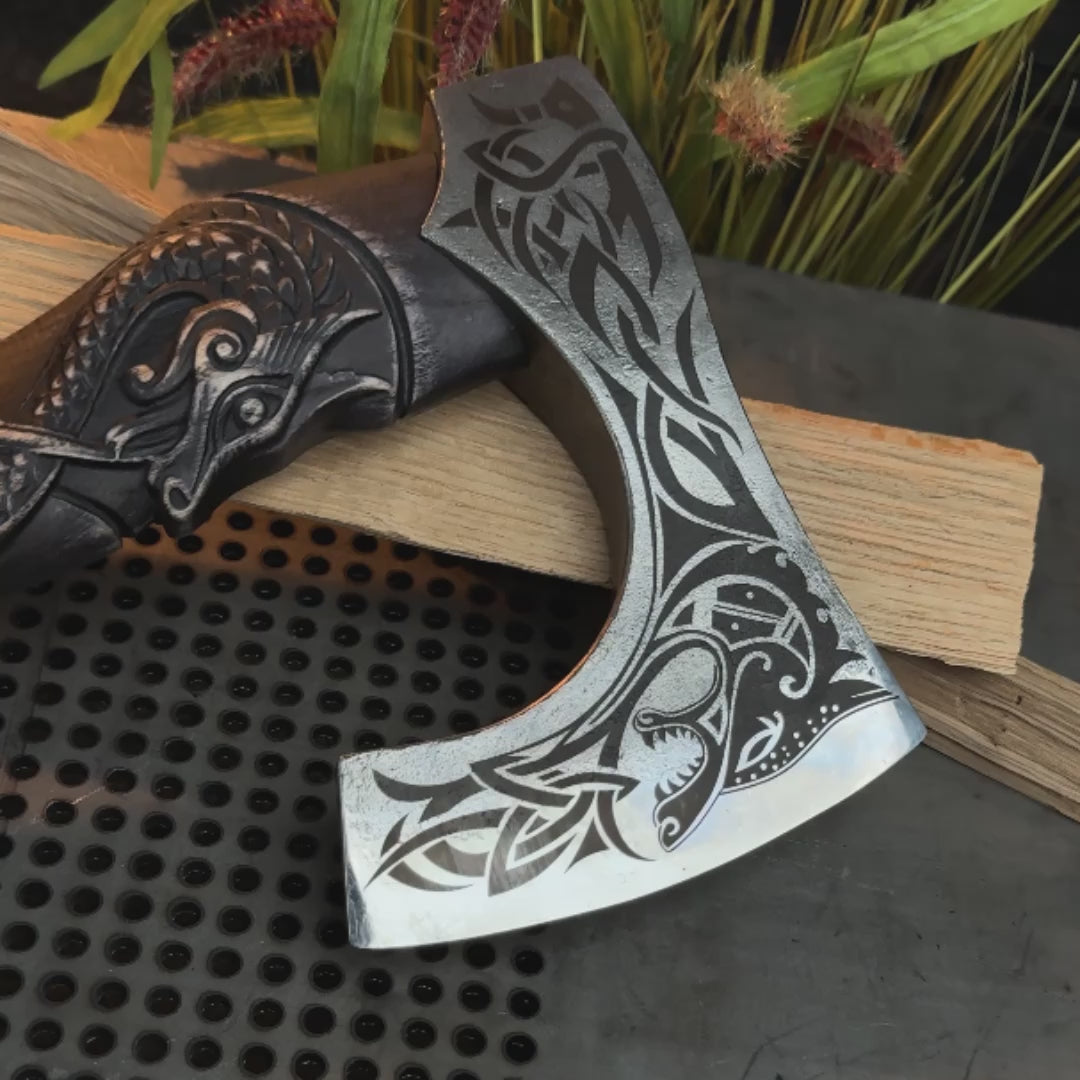
4. Beard (on bearded axes) – the extended lower edge of the blade that allows more cutting surface and better control.
5. Eye – the hole where the handle is mounted. A properly fitted eye ensures long-term stability.

The steel itself also matters. Proper forging, hardening, and finishing ensure durability, edge retention, and resistance to impact.
2. The Handle
The handle is where the human element meets the tool. Even the strongest steel head cannot compensate for a poorly shaped handle.
Important aspects of a good handle:
1. Material – hardwood like ash, oak, or hickory provides strength and shock absorption. Composite handles prioritize weather resistance and durability.
2. Length – longer handles generate more force and leverage. Shorter handles allow better control and portability.
3. Curvature – subtle curves improve grip and help prevent slipping during swings.
4. Grip Finish – leather wrapping or carved textures improve control and comfort.

The connection between head and handle must be secure and aligned. A properly seated head ensures safe and predictable performance.
3. Balance and Weight Distribution
A perfect axe is not defined by how heavy it is – but by how that weight is distributed. The center of gravity should sit forward enough to generate power, yet not so far that control is lost.

When you hold a well-balanced axe, it feels natural. It doesn’t fight your movement. Instead, it becomes an extension of your arm.
How Anatomy Changes Across Axe Types
Now let’s look at how these components vary across different axe styles.
Classic Axe Models
Traditional axes are designed for versatility. They typically feature a medium-length handle and a wide cutting edge. The cheeks are shaped to balance chopping and splitting performance. These models focus on everyday functionality – whether for outdoor use, wood processing, or general tasks.

Their anatomy emphasizes reliability and simplicity. The handle is usually wooden, shaped for comfort over repeated swings. The head is proportioned for efficient cuts without excessive weight.
Combat Tomahawks
Tomahawks shift the anatomy toward agility. The head is often lighter and more compact, sometimes featuring spikes or specialized backs for added functionality. The cutting edge is designed for fast, controlled strikes.

Handles may be wooden for traditional balance or composite for modern durability. Compared to classic axes, tomahawks prioritize maneuverability, speed, and versatility over raw chopping force.
Their center of gravity tends to sit closer to the head, enhancing responsiveness.
Large Two-Handed Axes
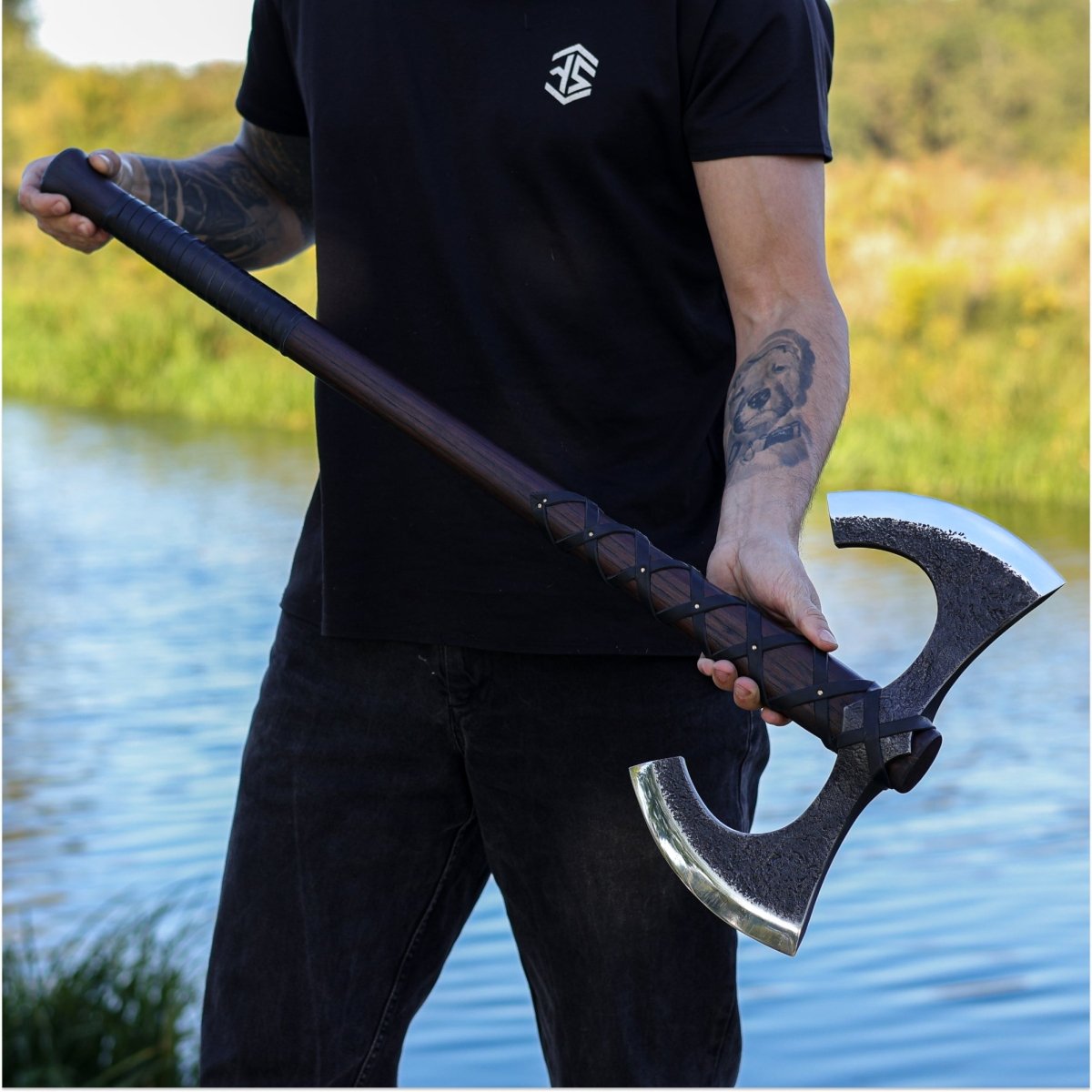
Two-handed axes represent power and reach. Their long handles generate significant leverage, allowing deeper, more forceful cuts. The heads are larger and heavier, designed to maximize impact.

These axes rely heavily on balance. Even though they are powerful, they must remain controllable. The extended handle requires precise shaping to absorb shock and maintain stability during large swings.
Their anatomy emphasizes reach, authority, and presence – whether used functionally or displayed as statement pieces.
Why Anatomy Matters
A perfect axe is not accidental. It is the result of careful decisions – in steel selection, forging technique, handle shaping, and balance.
When all parts work in harmony, the axe feels alive. It cuts efficiently, rests comfortably in the hand, and inspires confidence. Whether it’s a classic axe, a tactical tomahawk, or a large two-handed model, understanding the anatomy helps you appreciate what truly makes a great tool.
Steel alone does not define perfection. It’s the relationship between every component – forged, shaped, and balanced with intention.